
VOLUNTEERING IN
kansas
Kansas State Firefighters Association
Serve Your Community. Save Lives. Make a Difference.
The Kansas State Firefighters Association (KSFFA) was established in 1887 and has continued to be a local fire department's best and most reliable resource for establishing and maintaining safety, professionalism and preparedness. Through services provided by the Association, member departments are enabled to provide a high degree of skill and efficiency in the emergency response services they provide to the communities in Kansas.
The Association, with over 250 member departments representing over 13,000 volunteers, encourages the continued education of firefighters so they may perform with the latest knowledge, techniques and safety practices. The KSFFA works to promote unity in the fire service with the knowledge that an informed and united fire service can be powerful and successful in their endeavors.
The KSFFA today stands stronger than ever in commitment, in membership and in dedication.
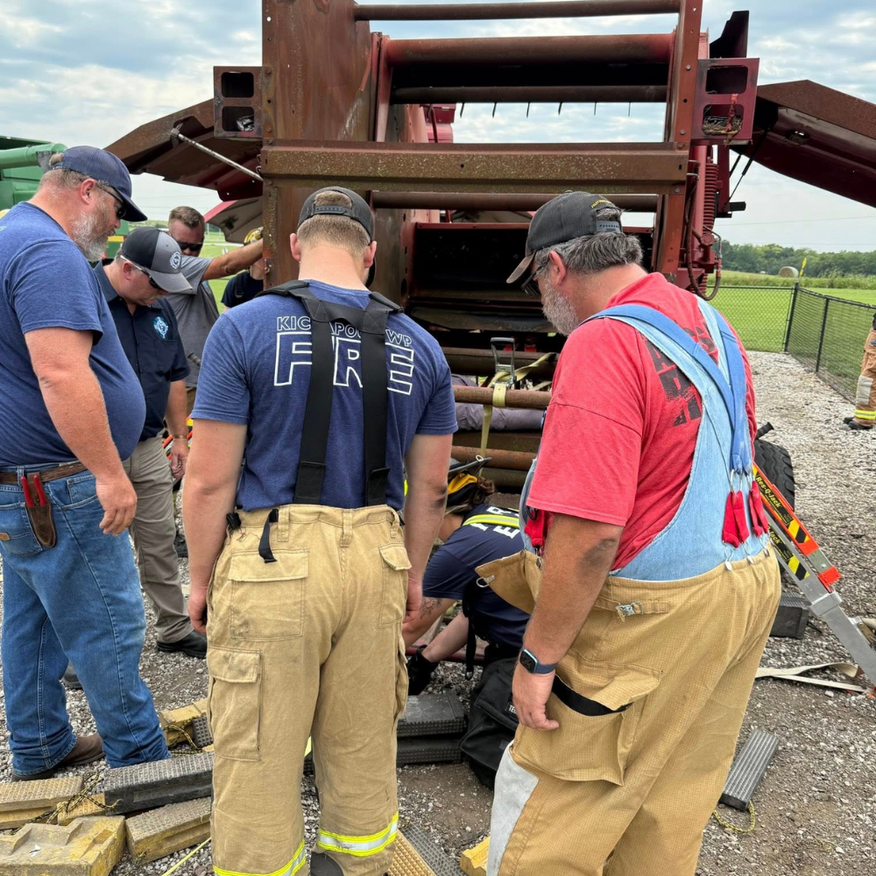
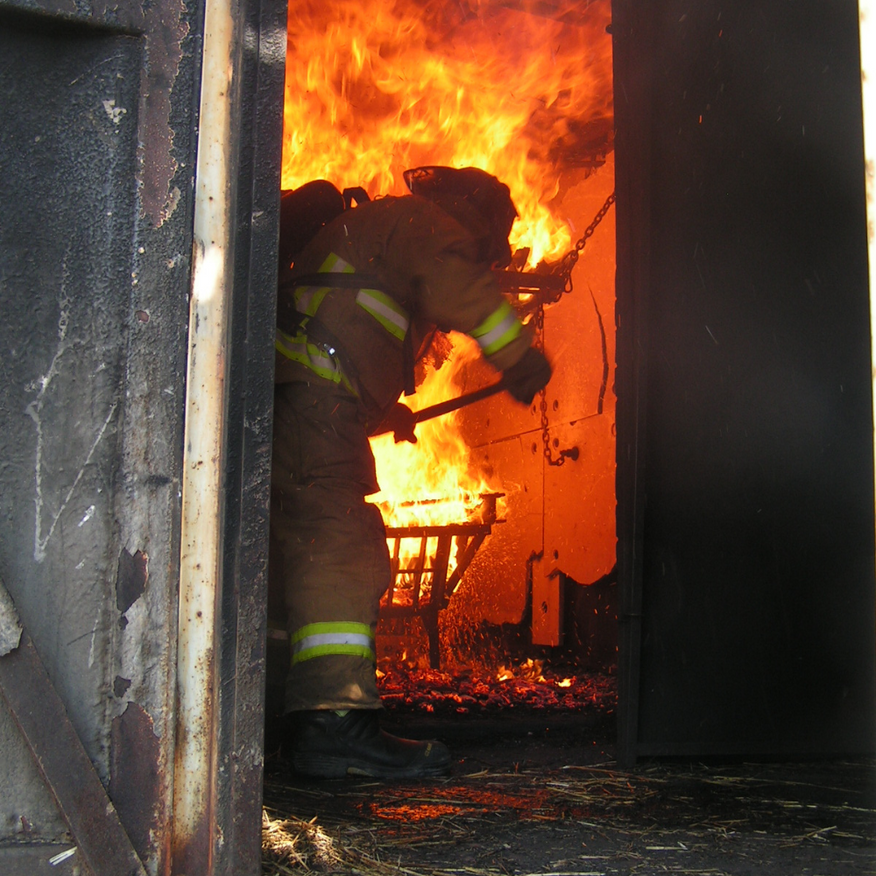
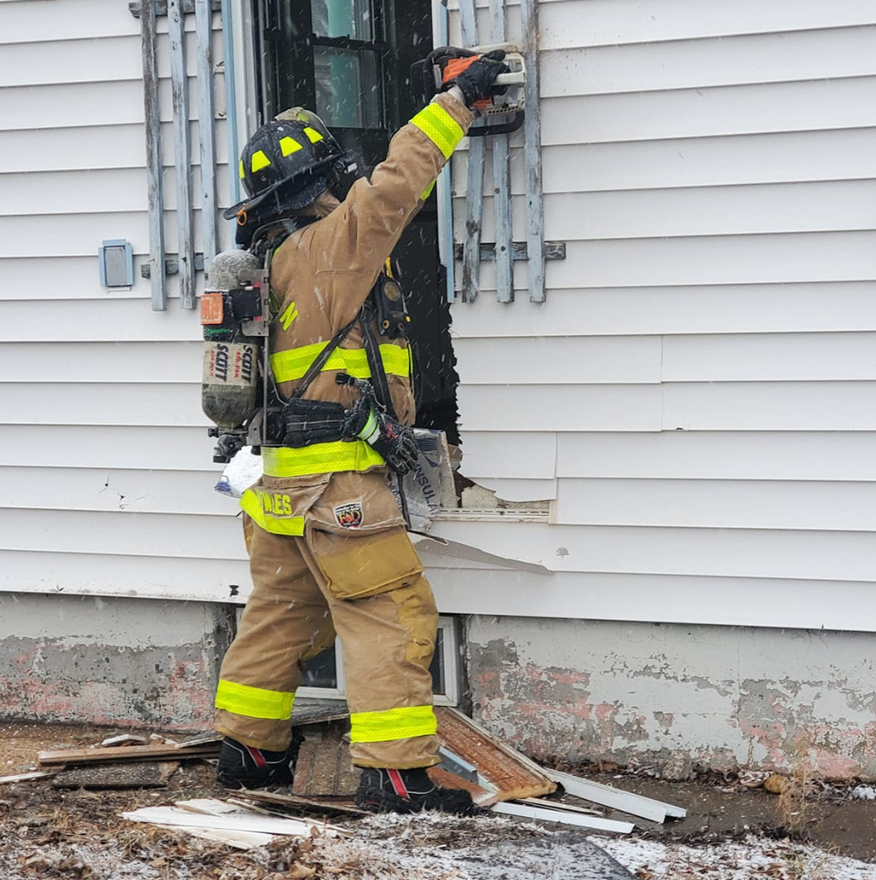
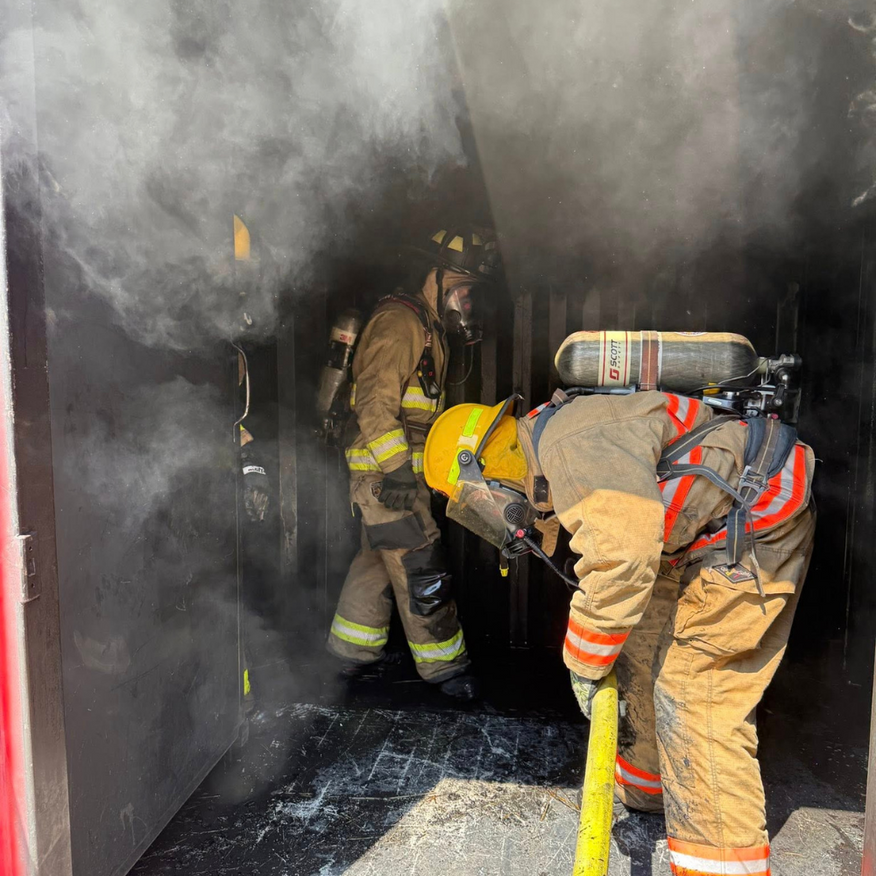
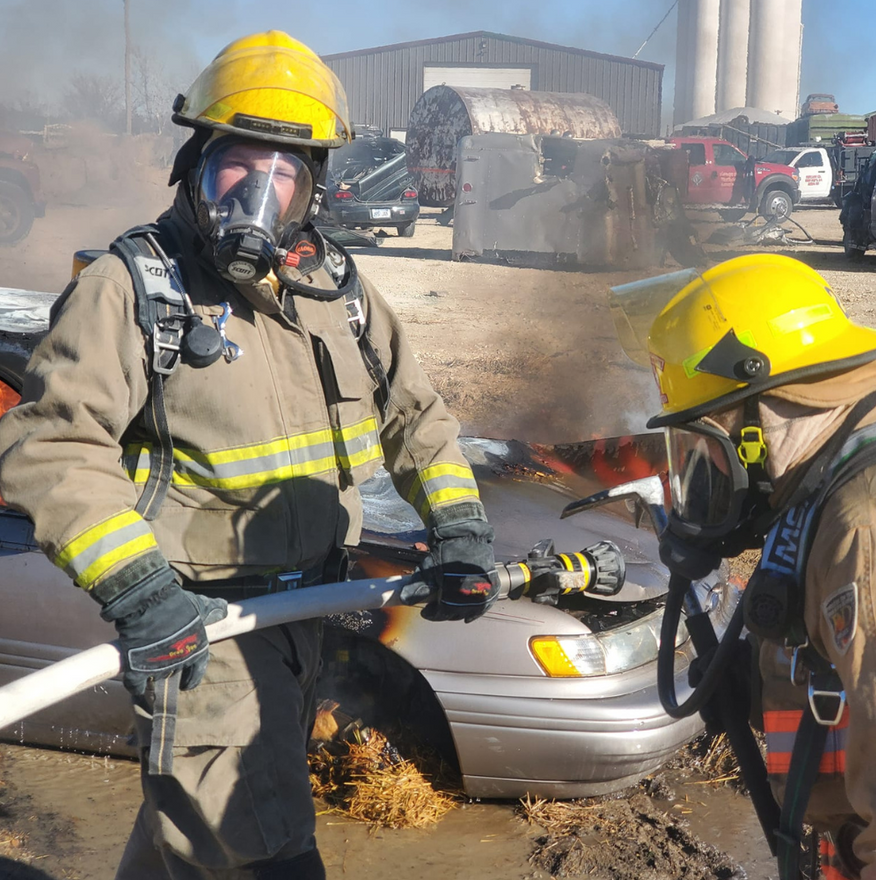
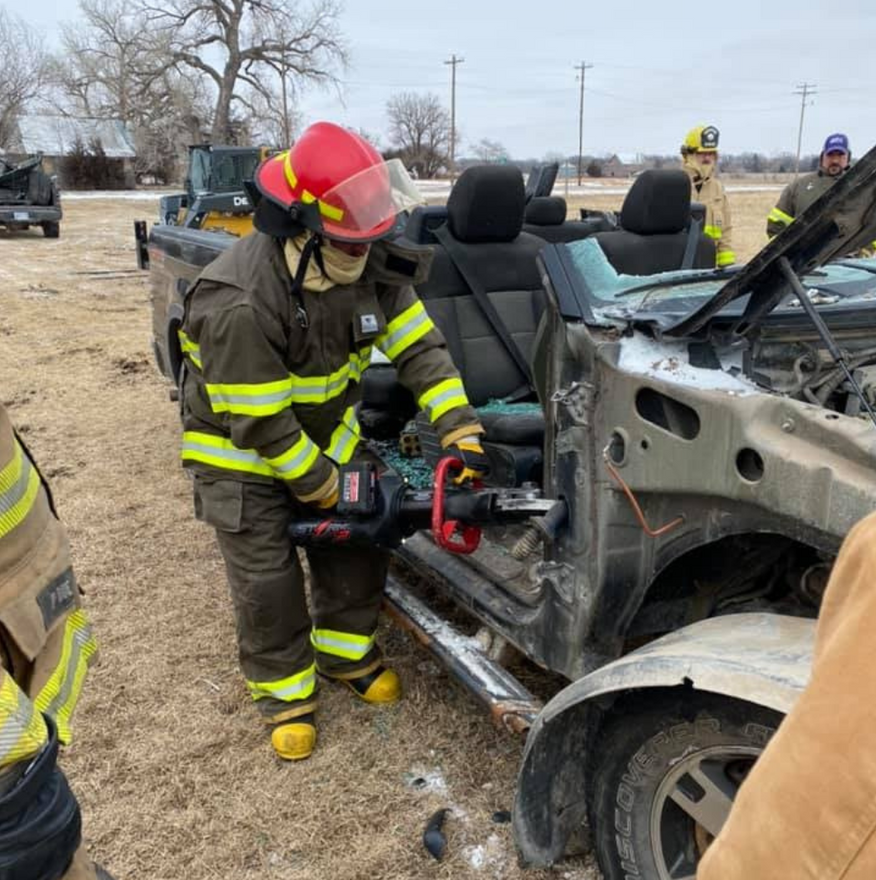
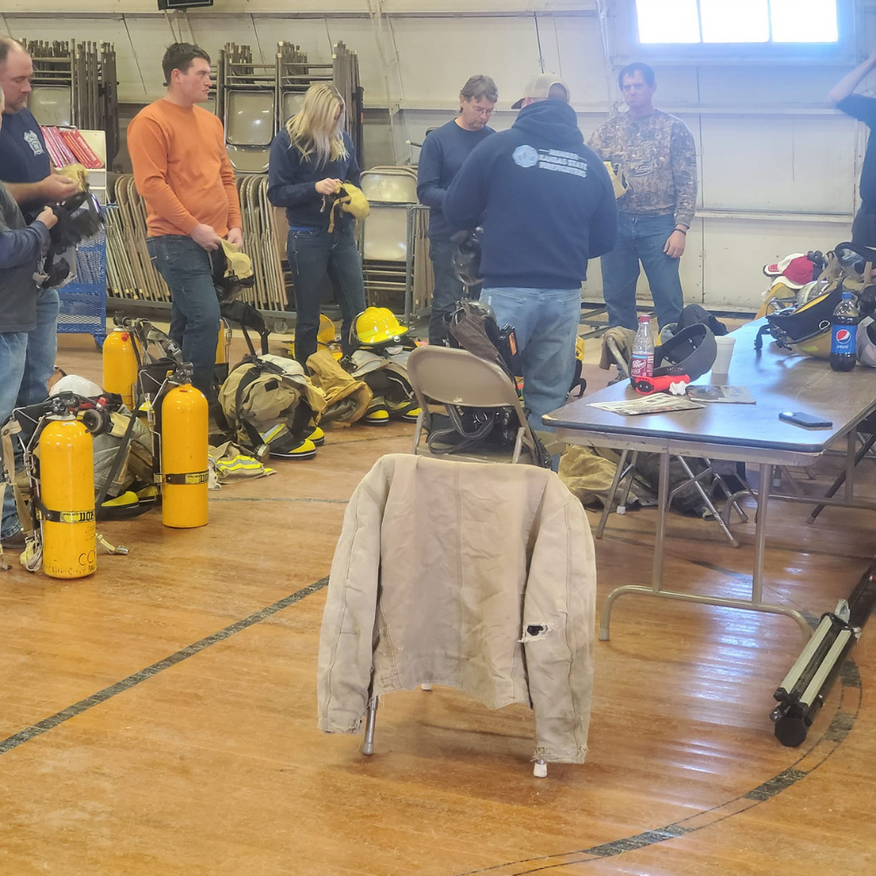
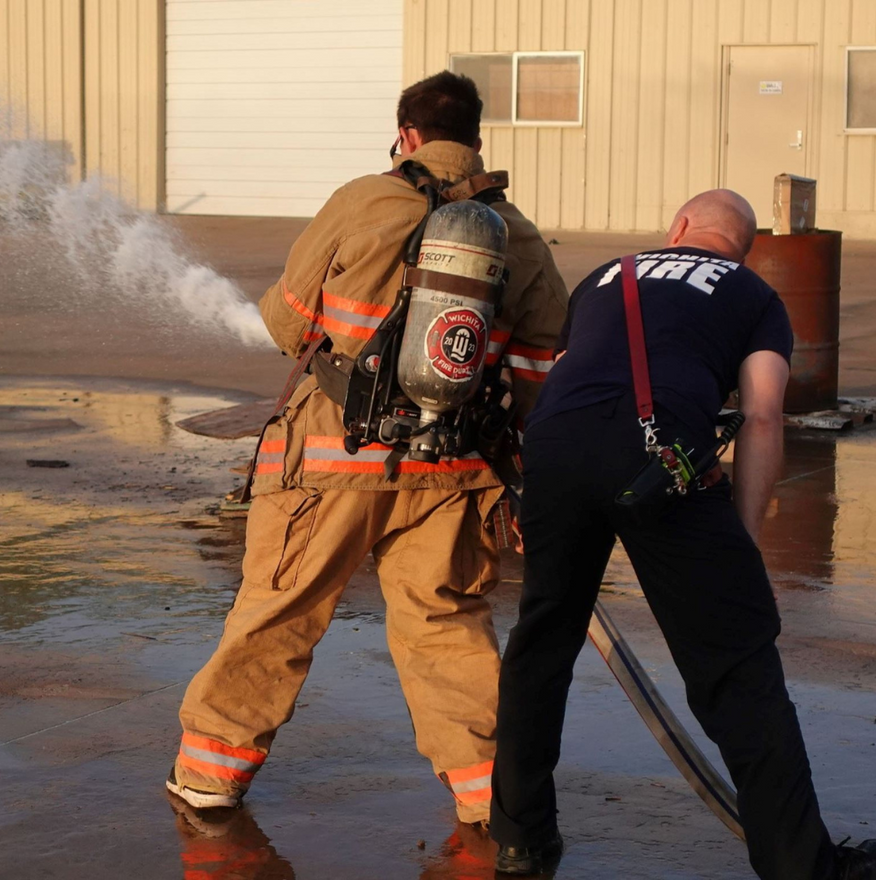
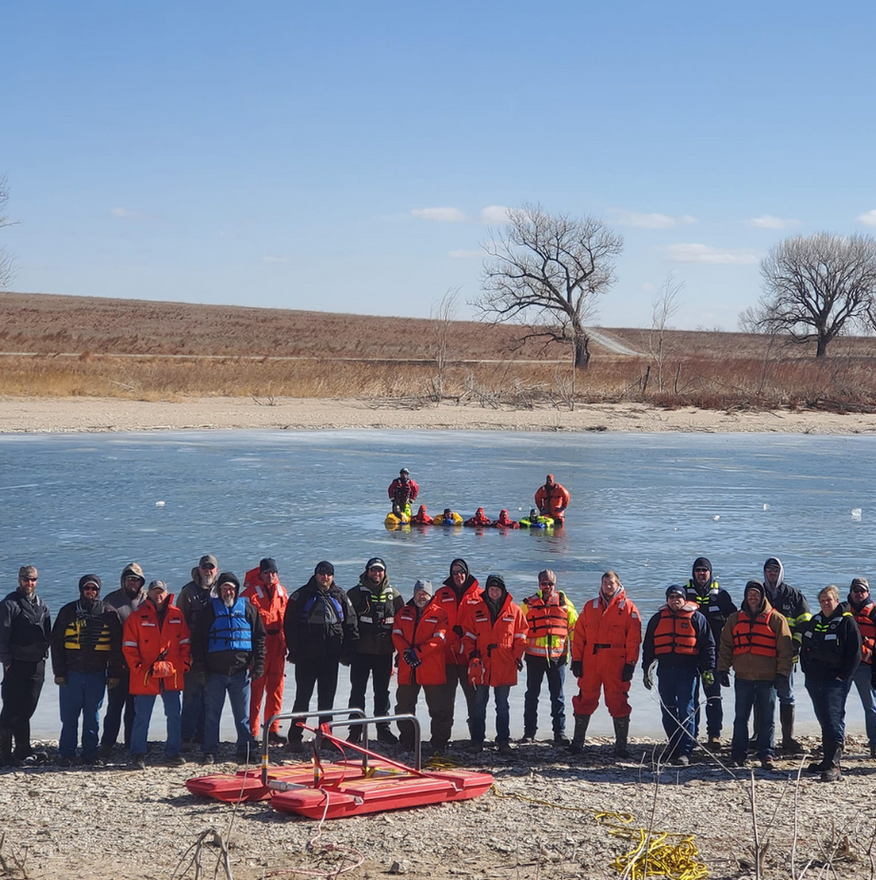
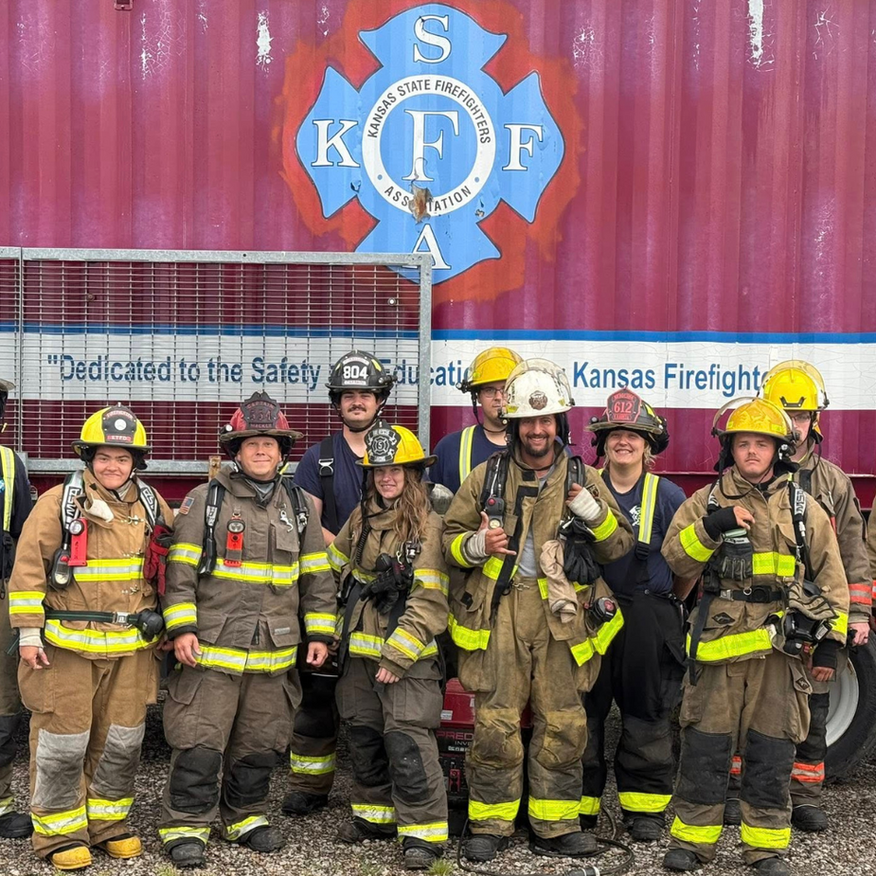

In Kansas, 85% of rural areas depend on Volunteer Fire Departments, which are often comprised of community members who dedicate their time to firefighting and emergency response. The demand for more Volunteer Firefighters in Kansas is critical, as these committed individuals play a vital role in ensuring the safety and well-being of their communities.
Becoming a Volunteer Firefighter offers a chance to make a meaningful difference in your community, acquire life-saving skills, and join a dedicated team focused on protecting lives and property.
Do you have what it takes to be a Volunteer Firefighter? No prior training or certifications are required. Apply today to become a volunteer in your community!
Although local governments and departments establish different selection criteria, many departments require that volunteers:
- Be at least 18 years of age
- Have a valid driver’s license
- Be healthy and in good physical condition
- Complete basic fire & EMS training
- Live in close proximity to the fire district
- Have a clean criminal record
- Meet the minimum ongoing training requirements
- Respond to a certain percentage of calls
Time requirements vary by department. Time commitment will depend on several factors, such as the number of calls the department receives, training requirements, shift versus on-call structure, and community activities in which the department requires volunteers to participate.
Volunteer departments prefer that volunteers have the ability to respond to calls 24 hours a day, although most departments still accept volunteers who are unable to leave work or other obligations to respond to a call.
Typically, departments pay for training and firefighting equipment. Volunteer firefighting is an unpaid position; however, some departments may provide stipends or reimburse volunteers for certain expenses.

STATE RESOURCES
VolunteerFirefighter.org works with numerous fire associations to provide added resources and benefits to our Volunteer Fire Departments. Click the links below to learn more.
